Understanding Information Context: Beyond Simple 'W' Definitions
When seeking specific information, the context of your query and the type of source you consult are paramount. This truth becomes strikingly clear when we examine search terms like "w杯 ダラス 視察" (World Cup Dallas Inspection/Visit) alongside general dictionary definitions of the letter 'W'. While 'W' is a fundamental character with a wealth of linguistic meanings, these foundational references are not designed to capture fleeting news events or highly specific occurrences, no matter how significant they might be in another domain. Our exploration delves into this distinction, illustrating why a dictionary's utility lies in defining 'W' as a letter, not in reporting on a potential World Cup Dallas visit.
The Linguistic Labyrinth of 'W': More Than Just a Letter
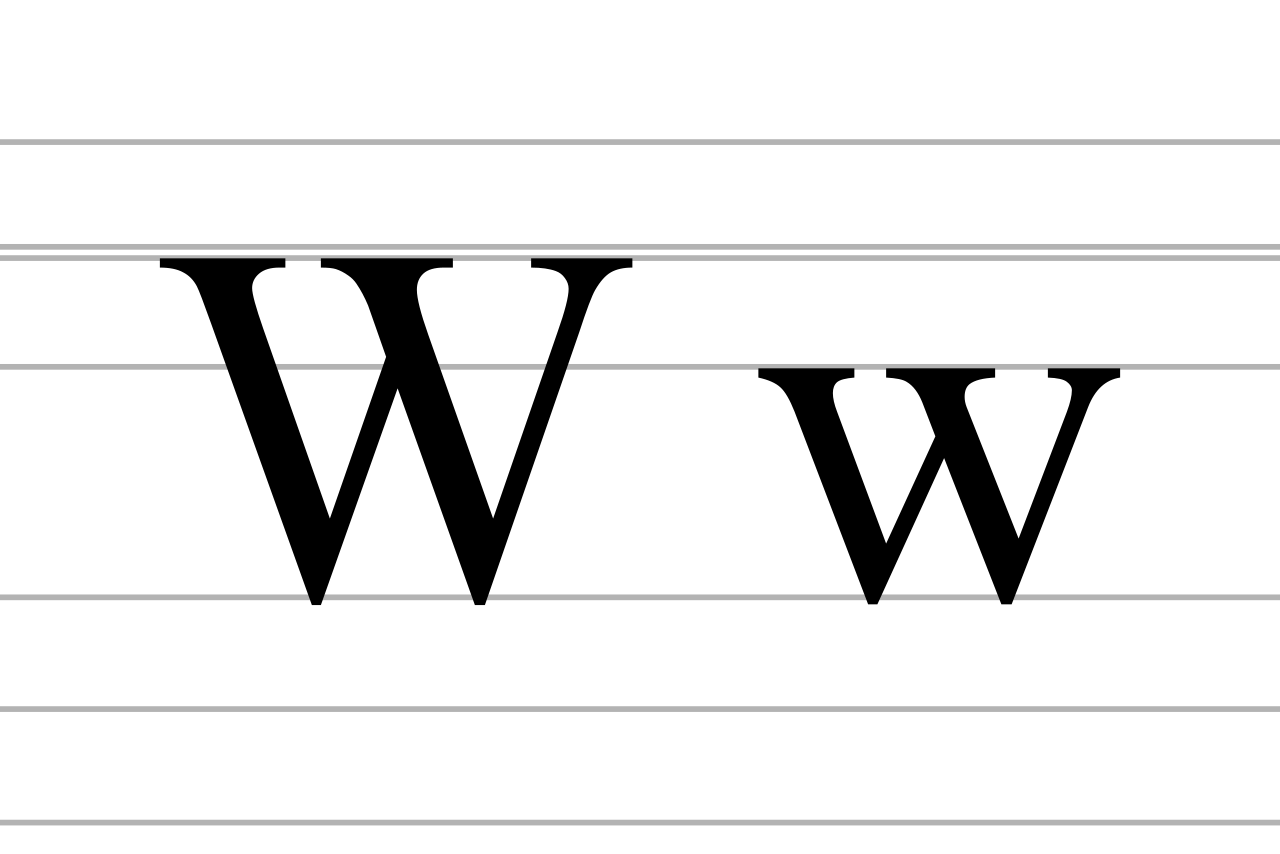
The letter 'W', a double-U in its very name, is a fascinating linguistic entity. From its origins as a ligature of two 'U's or 'V's, it has evolved to play various roles in the English language and beyond. Dictionary entries, as seen in sources like Collins English Dictionary or Wiktionary, meticulously document these facets:
- As a Letter: 'W' is the 23rd letter of the English alphabet, representing a voiced labial-velar approximant sound. Its pronunciation varies across languages, but its visual form is largely consistent.
- As an Abbreviation: 'W' commonly stands for a multitude of terms. Consider its use in scientific contexts (Watt for power, Tungsten for the element Wolfram), geographical directions (West), or even social identifiers (Women, particularly in historical or demographic contexts). In slang, 'W' can signify 'win' or 'with'.
- Historical and Etymological Significance: Lexical entries often trace the letter's journey through various alphabets and its development into its current form and function.
These definitions are crucial for understanding the building blocks of language. They provide a standardized, universally accepted framework for how 'W' functions as a character, a sound, or a common abbreviation. They equip us with the fundamental knowledge necessary to decode countless words and phrases. However, their scope is inherently limited to these linguistic and general reference applications.
Deconstructing "w杯 ダラス 視察": A Quest for Specific Event Information
In stark contrast to the broad linguistic utility of 'W', the Japanese phrase "w杯 ダラス 視察" (w-hai Darasu shisatsu) represents a highly specific, event-driven query. Let's break it down to understand its components and why it requires a different kind of information source:
- w杯 (w-hai): This is a widely recognized abbreviation for ワールドカップ (wārudo kappu), meaning "World Cup." While 'W' is part of this, its usage here is contextual, not definitional. It refers to a major international sporting event, often football (soccer), but could also apply to rugby, cricket, or other sports.
- ダラス (Darasu): This is the Japanese phonetic rendering of "Dallas," a prominent city in Texas, USA. Its inclusion anchors the query to a specific geographical location.
- 視察 (shisatsu): This term translates to "inspection," "observation," or "visit." It implies an official or formal visit, likely for evaluation, planning, or monitoring purposes.
When combined, "w杯 ダラス 視察" suggests a search for news or reports about an official visit or inspection related to a World Cup event, specifically taking place in Dallas. This could pertain to stadium readiness, infrastructure assessment, host city selection processes, or other logistical considerations for a future World Cup tournament (e.g., the FIFA World Cup 2026, for which Dallas is a host city candidate). Such information is dynamic, time-sensitive, and event-specific. It is precisely the kind of content found in news articles, official press releases, sports journalism, or organizational committee updates, not in static dictionary entries.
Why General References Don't Cover Specific News Contexts
The core reason why dictionary entries and general reference sites for the letter 'W' do not contain information about a "w杯 ダラス 視察" lies in their fundamental purpose and design. These sources operate at different levels of information granularity:
- Dictionaries (e.g., Collins, Wiktionary): Their primary function is to define words, their etymology, pronunciation, and standard usage. They document the lexicon of a language. They tell you what 'W' *is* as a letter or an abbreviation, but not what events *occur* that happen to begin with 'W' or include it in an abbreviation. Asking a dictionary about a Dallas World Cup inspection is akin to asking a grammar book for today's weather forecast; it's outside its scope. This precisely illustrates why dictionary entries don't cover Dallas World Cup inspections.
- General How-To Guides (e.g., wikiHow): While wikiHow aims to cover a broad range of topics, its focus is on procedural "how-to" content or general explanations of concepts. It might explain "how to use abbreviations" or "what 'W' stands for in various contexts," but it's not a news aggregator or a database for specific event schedules or reports.
These platforms excel at providing foundational knowledge and broad explanations. They are invaluable for understanding language, basic concepts, and general instructions. However, they are not equipped, nor are they intended, to be real-time news portals, sports archives, or event-specific information hubs. The information about a "w杯 ダラス 視察" is temporal and contextual, belonging to the domain of current events and specialized reporting rather than static linguistic definition.
Navigating Information: Choosing the Right Source for Your Query
The discrepancy between what a dictionary offers and what a "w杯 ダラス 視察" query seeks highlights a critical skill in the digital age: effective information retrieval. Understanding which source type to consult for different kinds of information is key to efficiency and accuracy.
- For Linguistic Definitions and Etymology: Turn to reputable dictionaries (online or print), encyclopedias focused on language, or academic linguistic resources. These are your go-to for understanding the 'W' as a letter, its sound, its historical usage, or common abbreviations like Watt or West.
- For Specific News and Event Information (like "w杯 ダラス 視察"):
- News Aggregators & Major News Outlets: Sites like Google News, BBC, CNN, Reuters, or major sports news outlets (e.g., ESPN, FIFA official news) are designed to report on current events, official announcements, and inspections related to major tournaments.
- Official Event Websites: For something as significant as the World Cup, the official FIFA website or the host city/nation's organizing committee website would be the most authoritative source for details on inspections, venues, and schedules in Dallas.
- Local Dallas News Sources: Local newspapers or TV station websites in Dallas would likely cover any specific World Cup-related inspections or visits to their city.
- Sports-Specific Journals and Blogs: Many dedicated sports journalists and blogs will offer in-depth analysis and reporting on such events.
When your search yields no results in expected places, it's often a sign that you're consulting the wrong type of resource. For instance, if you're looking for specific news about a potential World Cup venue inspection in Dallas, and you're getting only dictionary definitions of the letter 'W', it's a clear indicator to pivot your search strategy. Remember, sometimes, no World Cup Dallas visit details found in current web context within general reference materials simply means you need to broaden your search to news-specific domains.
The Importance of Context in Search
The example of 'W' definitions versus "w杯 ダラス 視察" underscores a fundamental principle of information literacy: context is king. Your search query's context—whether it's a desire for a linguistic definition, a historical fact, a "how-to" guide, or a breaking news report—should dictate the type of source you prioritize. Efficient searching isn't just about typing the right words; it's about understanding the nature of the information you seek and knowing where that information is most likely to reside. While dictionaries are essential for understanding the building blocks of language, they are not a substitute for dynamic, event-specific reporting.
In conclusion, while the letter 'W' carries a rich tapestry of meanings documented meticulously in various dictionaries, these resources serve a distinct purpose: defining the foundational elements of language. A highly specific, time-sensitive query such as "w杯 ダラス 視察," concerning an official visit related to the World Cup in Dallas, demands a wholly different set of information channels. Recognizing this distinction is not merely an academic exercise; it's a practical skill for anyone navigating the vast and varied landscape of online information. Always consider the intent behind your search, and choose your sources wisely.